Key initiatives portfolio
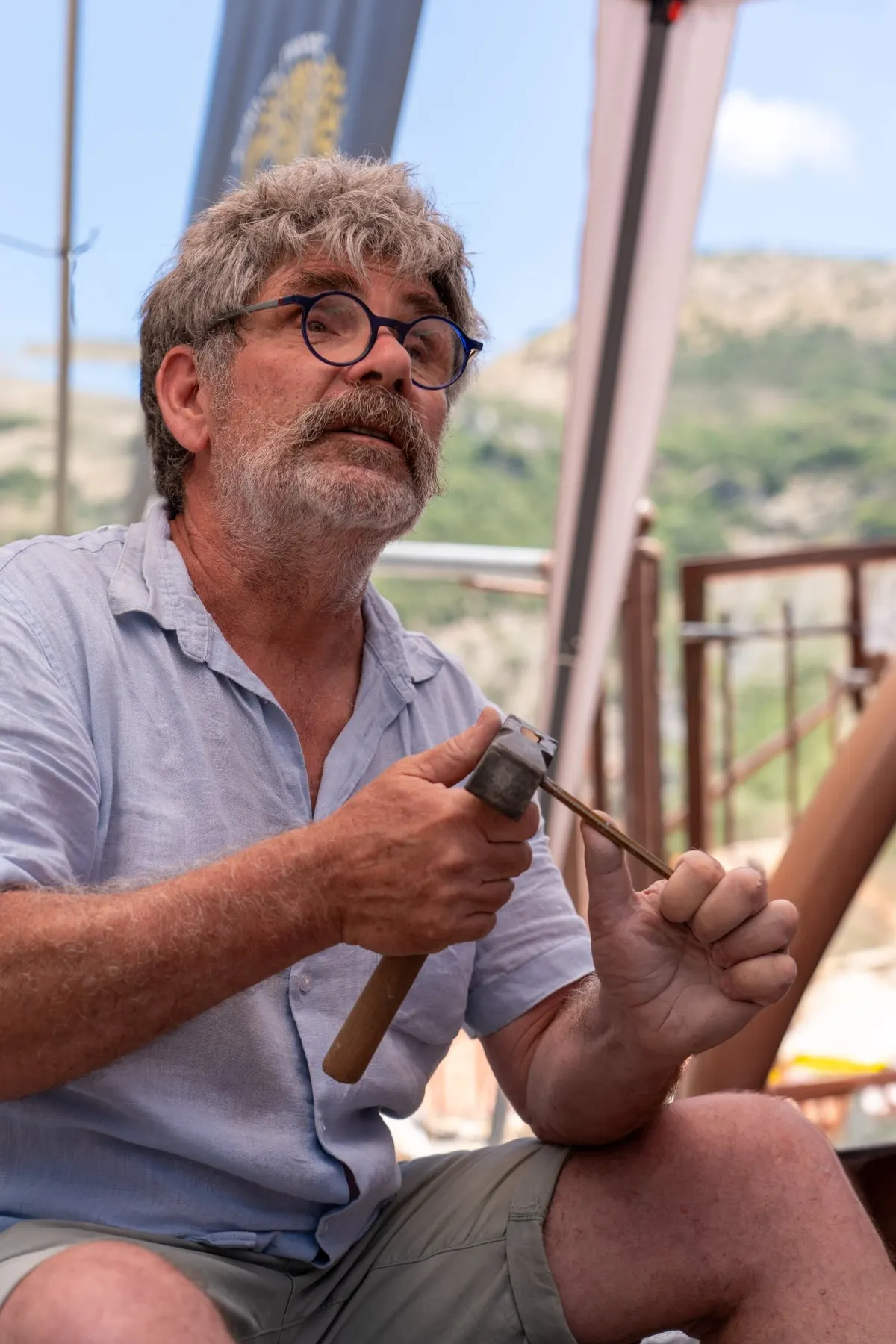
Every year we lose more of the last masters of stone.
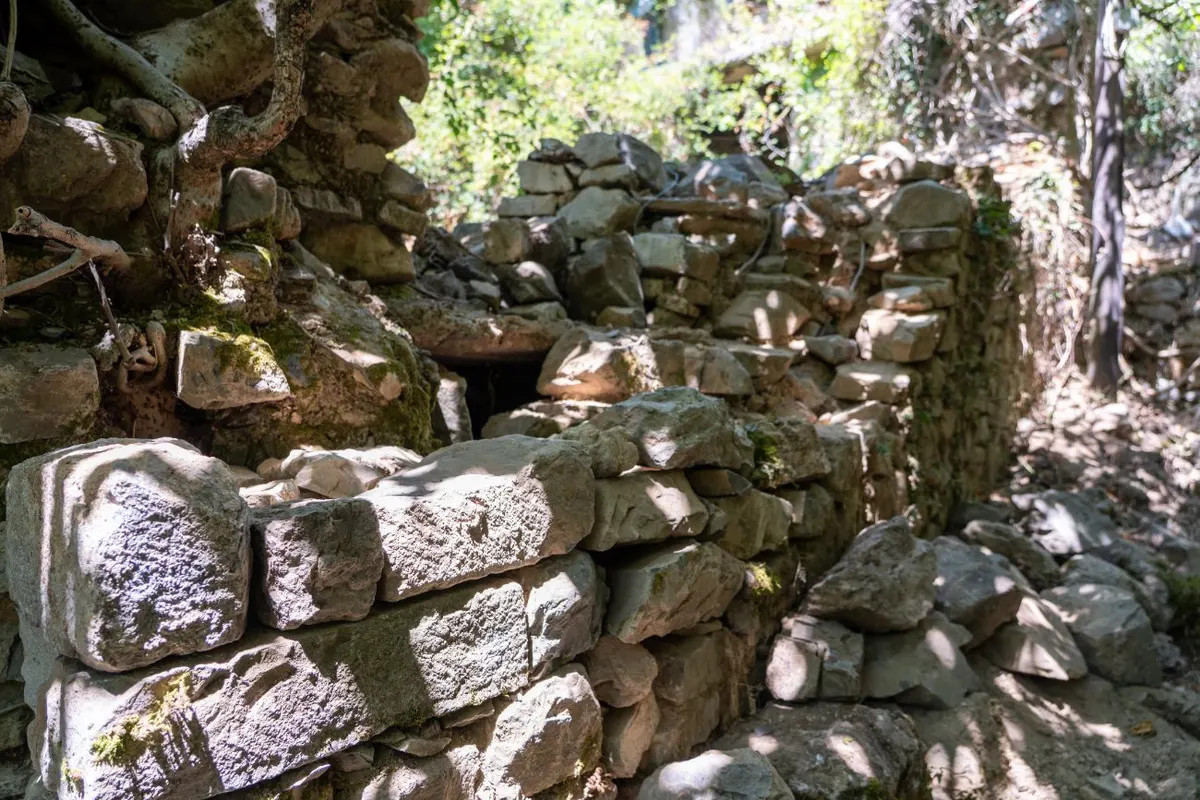
Blossoming Stones is dedicated to reactivating, and deliberately not just saving, the art of stone masonry — in a way that is not romantic and purely nostalgic, but also as a development tool for Greece.
NON-PROFIT VOLUNTARY ASSOCIATION · EST. 2013
Identity and scope
“Friends of Traditional Architecture – Anthi tis Petras” is a Greek NGO: a non-profit voluntary civil society organization registered as an association under Greek law. It was established in 2013 with a local focus, and in the General Assembly of January 2025 its scope was widened to the whole country.
Its aim is to reactivate the art of stone masonry, a craft in serious decline as we lose more of the last masters of stone each year. The knowledge itself — the intangible part — is not the end in view: it is what the restoration of Greece’s stone monuments and any new building in stone depend on. Both the tangible and the intangible dimensions are necessary for this effort to succeed.
Blossoming Stones is not alone in this. It works with and is supported by the local communities of Lagadia and Pentalofos and the Progressive Union of Pyrsoyianni; by governmental bodies including the Ministry of Culture and the Regions; and internationally by Utah Valley University.
The association is carried by its members and by a scientific board, coordinated by Emeritus Professor Vassilis Ganiatsas of the School of Architecture at the National Technical University of Athens. Much of the technical work is voluntary: the restoration designs for the Centre were drawn without fee.
Read more in Greek → (opens in a new tab)Why stone
Stone is quarried within sight of where it is used — Greece has small quarries beside most of its settlements — so almost nothing is spent moving it. It is not recycled but reused: take down a stone house and the stones go straight into the next wall, unprocessed, with no loss. And its mass does work a heating system would otherwise do.
This is not a museum material. Greece has 882 listed traditional settlements where stone is the right answer for restoration and for new building alike, and a backlog nobody can currently staff. The constraint is not demand, and not the material. It is hands, and the gap widens every year.
A working trade also keeps money and young people in places losing both. And the craft has to be taught where it survives: the stone, the masters and the setting that shaped the work do not move to Athens. The old masters travelled far for their commissions and the craft will travel again — but it is a spark now, and a spark is kept close before it is carried. That is what reactivate means: a craft restarted as a trade, not preserved as heritage.
settlements
since 2017
work contracts
8th workshop
Lagadia stream
secured since 2025
The work
Many individual initiatives are needed to build a framework for achieving a goal. Six bundles, each opening on the full record.
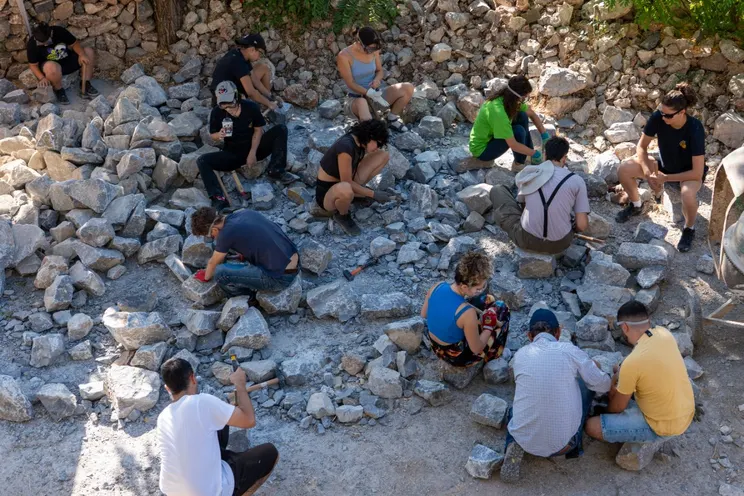
Summer workshops on traditional stonemasonry
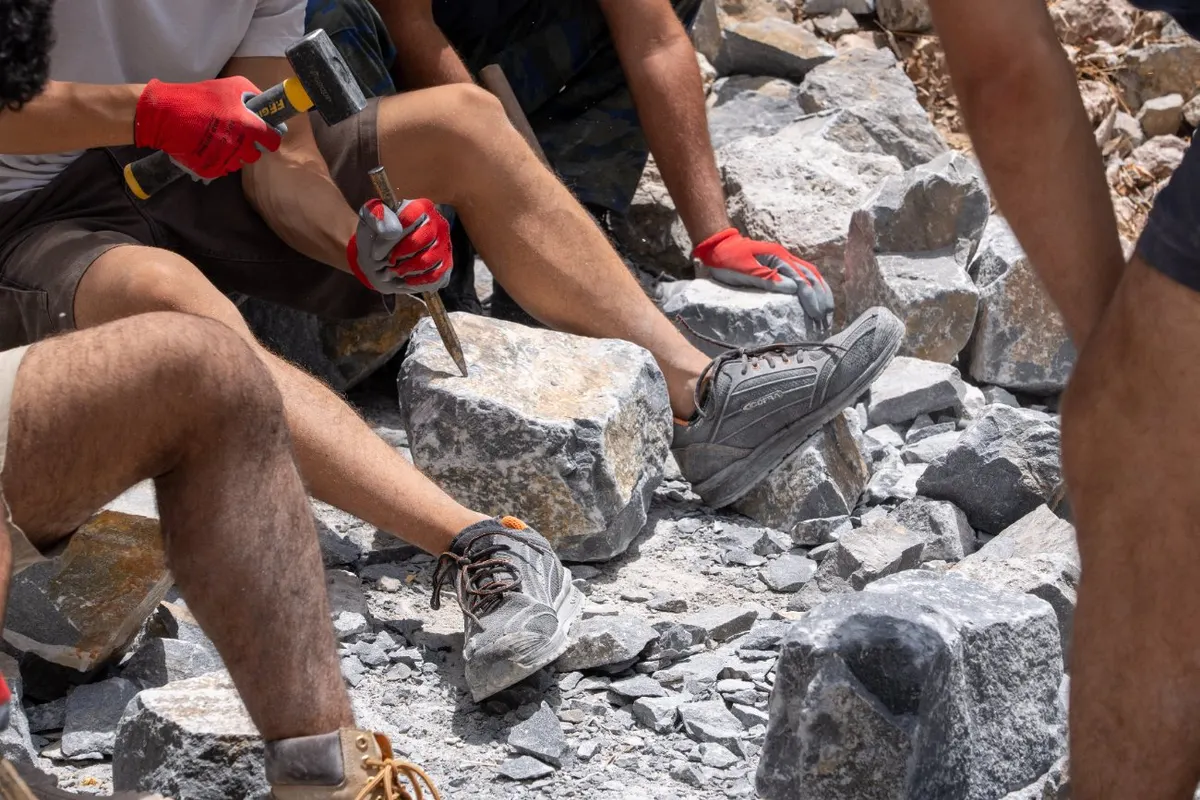
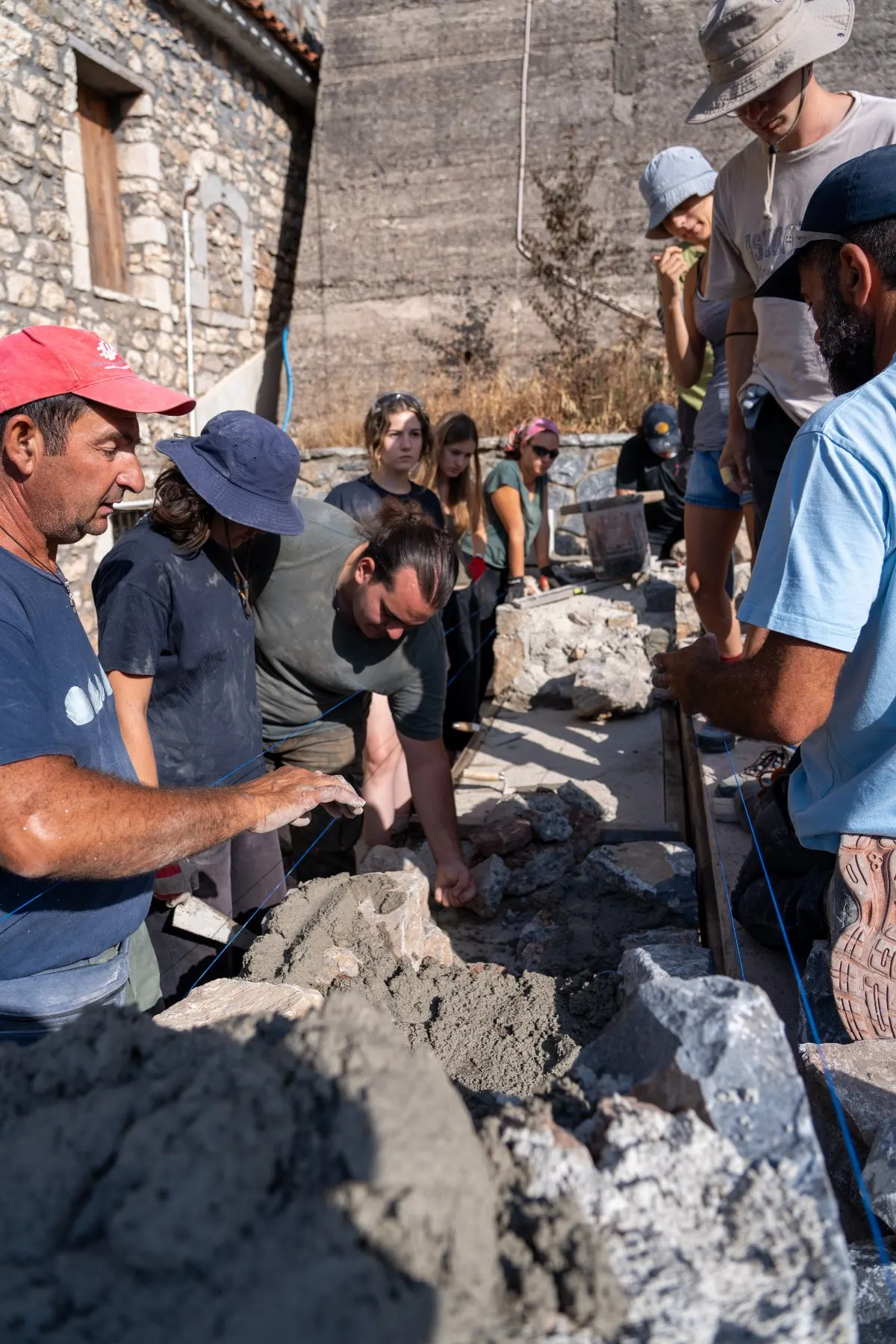
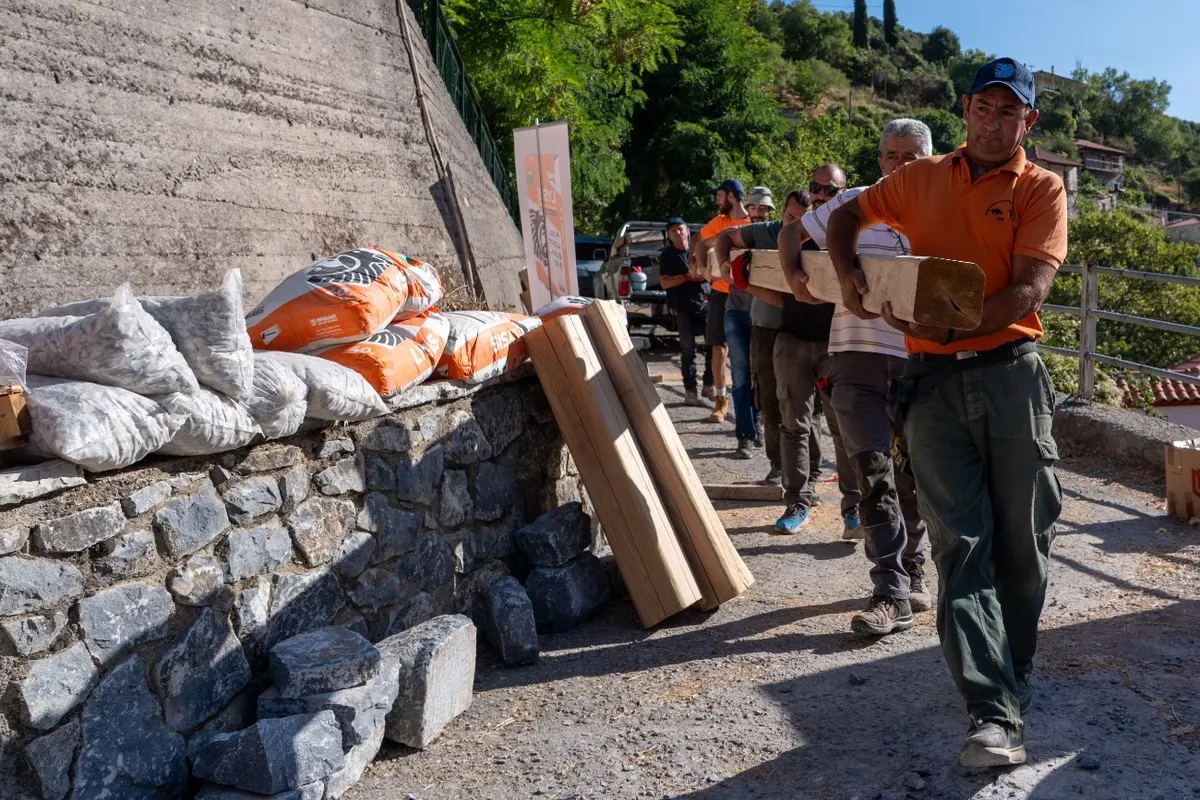
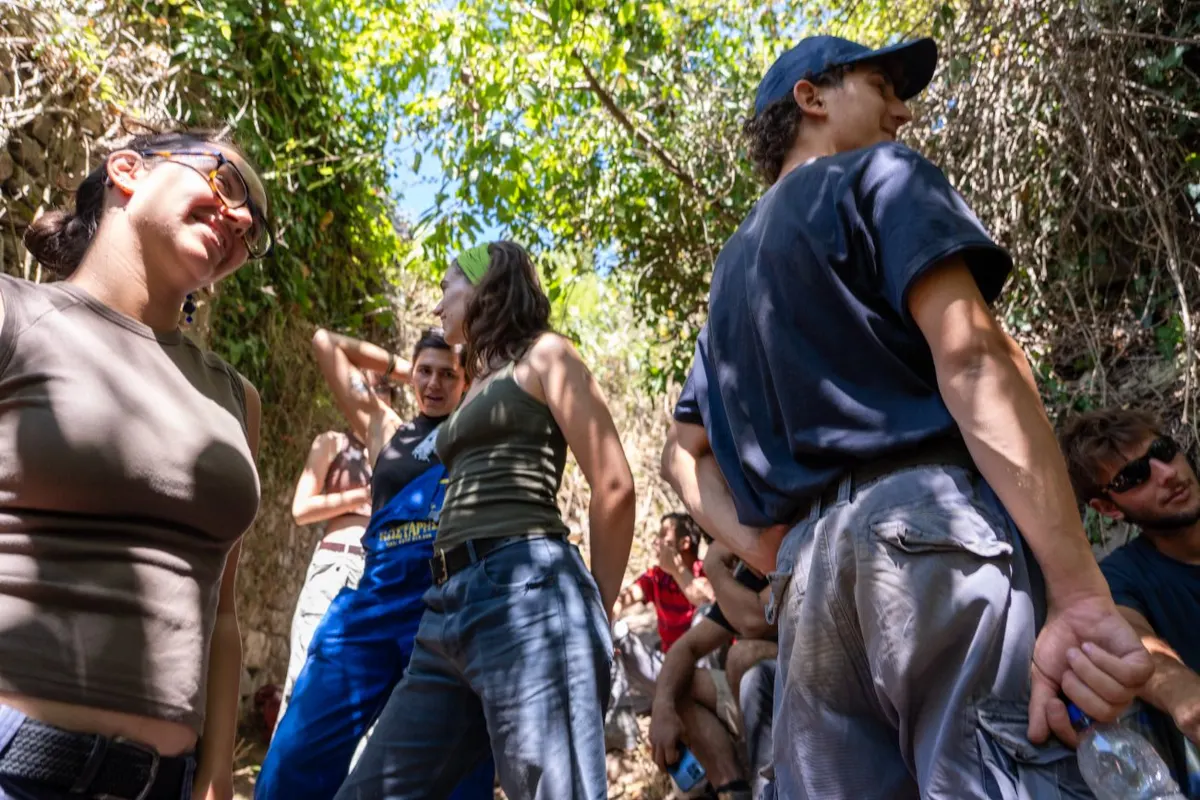
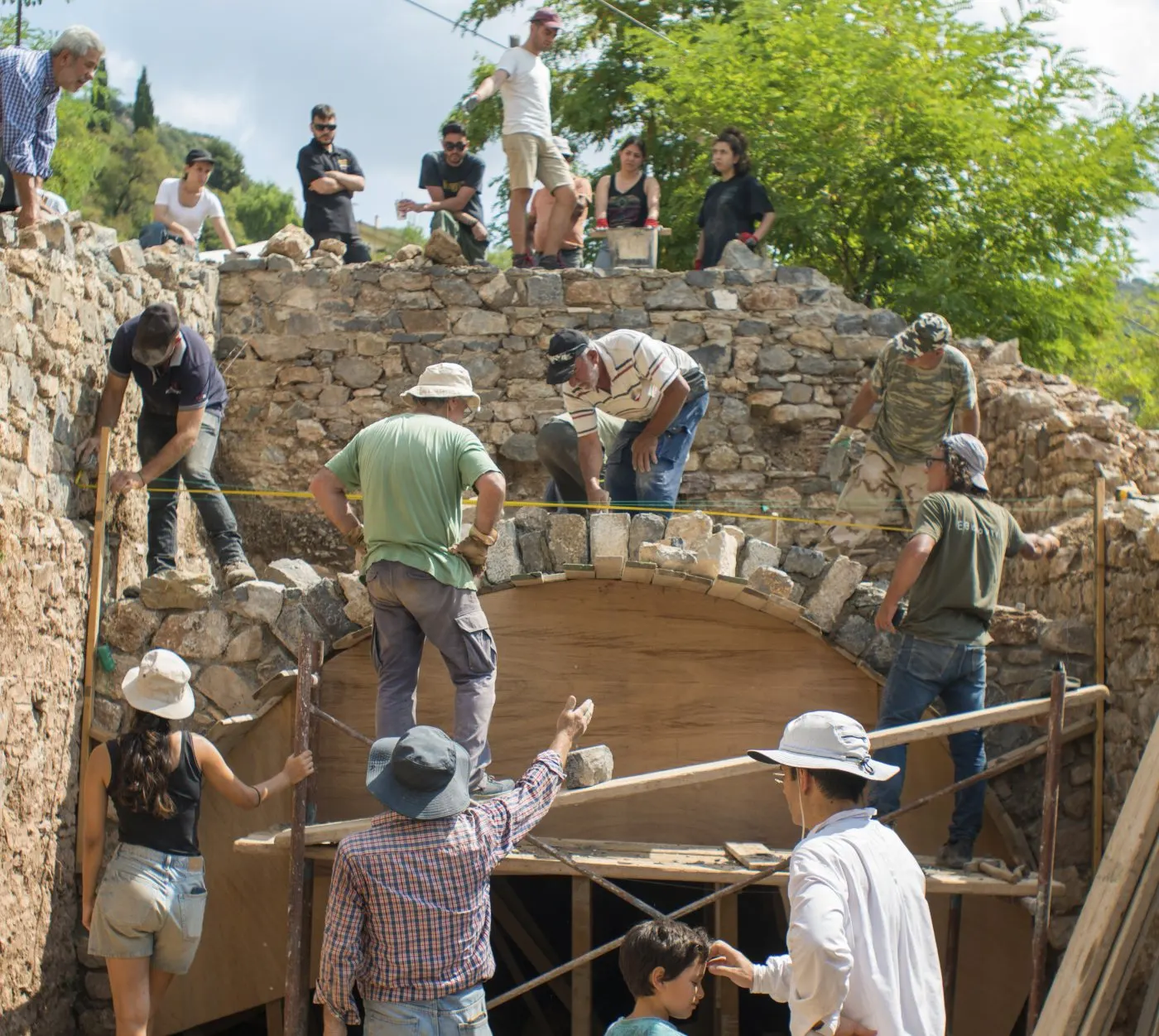
Eight annual workshops since 2017 on real restoration sites, with no participation fee. The 8th ran 26 July – 2 August 2026 with 60 trainees across three parallel worksites.
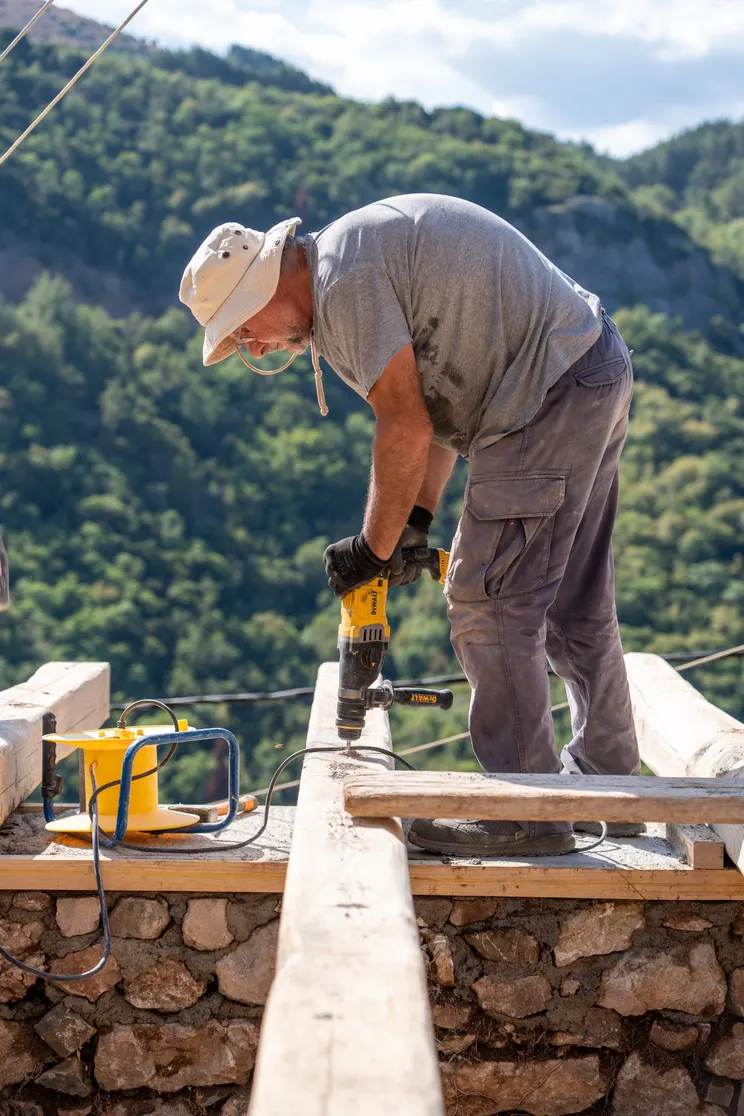
The National School of Stone
One institution composed of two schools, at Lagadia and Pentalofos. A €400,000 programmatic contract signed March 2025 funds the curriculum and teaching material. The primary long-term mission.
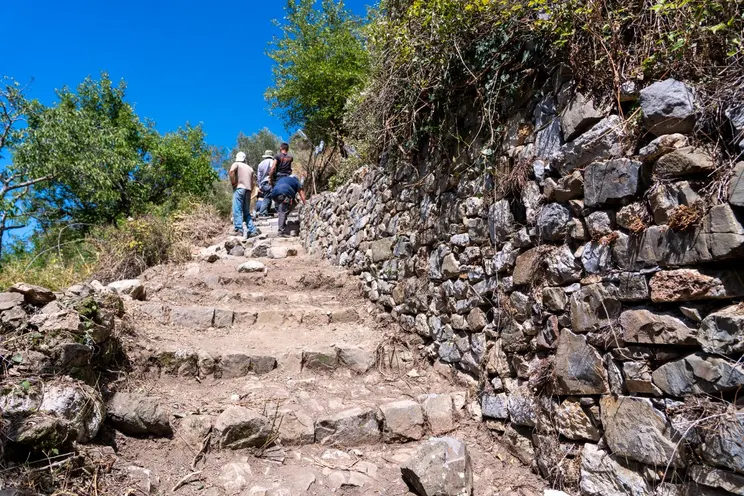
BIOARCH — the paths and mills of Lagadia
An 18-month Green Fund programme reading the settlement and its terrain as one system, through its network of paths and the seventeen watermills along its stream.
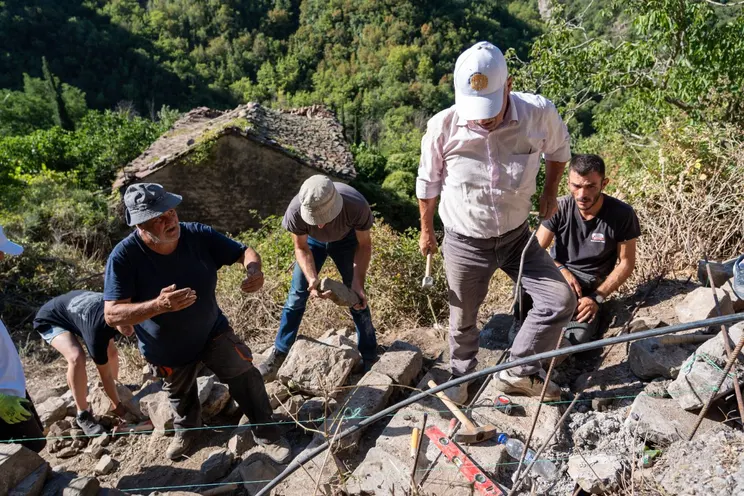
Student internships — surveying the watermills
A certified host in ATLAS, the Greek State internship system. Architecture students survey and document the seventeen pre-industrial watermills along the stream of Lagadia.
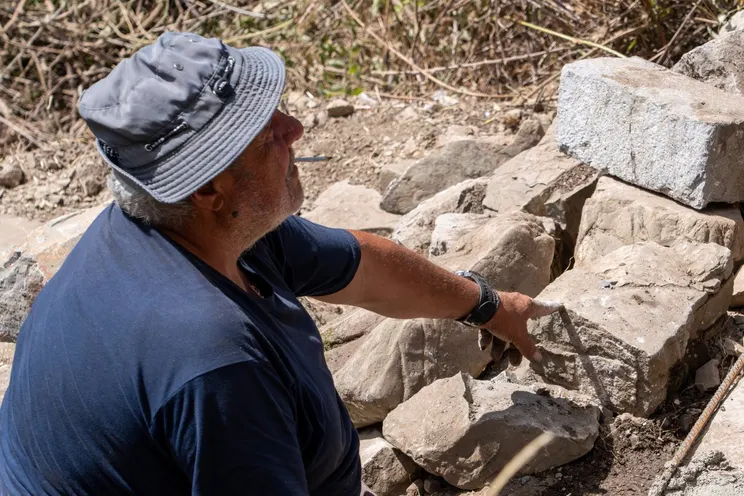
Documentation, inventory and publications
Over 200 nineteenth-century work contracts retrieved, two traditions inscribed in the national inventory, the first part of the Petronotis archive digitized, and two published volumes of more than 300 pages each.
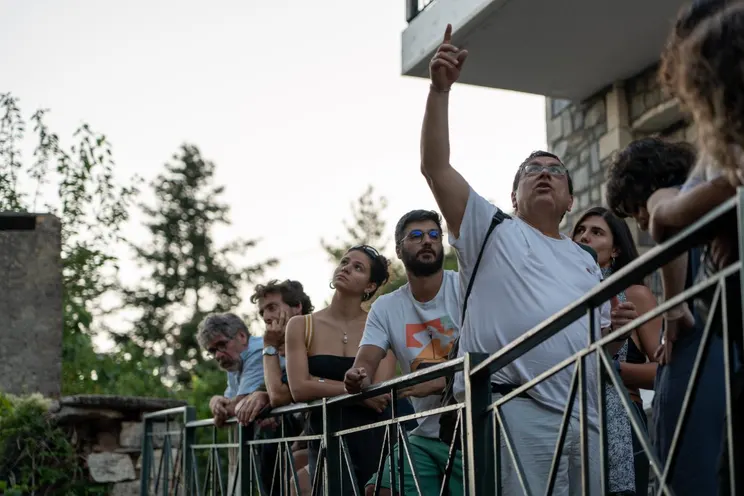
The Greek Living Heritage Network
Member of the four-organization coordinating committee of the national network, with HERITΛGE, MedINA and Apiros Polyphonic Caravan, under the Ministry of Culture.
Looking ahead
Two projects in preparation
A permanent home for the craft, and a research programme asking what of it can be carried outside the last hands that hold it.
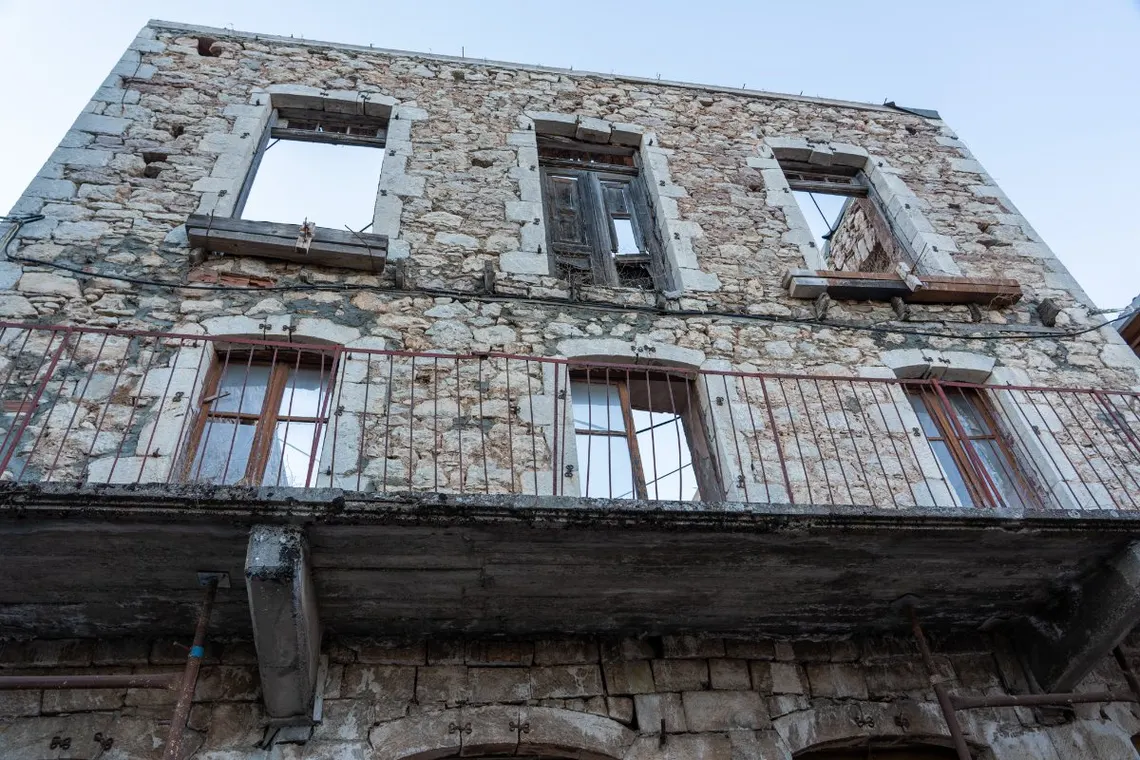
The Centre for Traditional Architecture
A ruined nineteenth-century mansion at Lagadia, the Rigopouleiko, bought by crowdfunding. Conceived as a research body, and intended to widen into a certified lifelong learning centre — a second route into vocational training that need not wait for the schools.
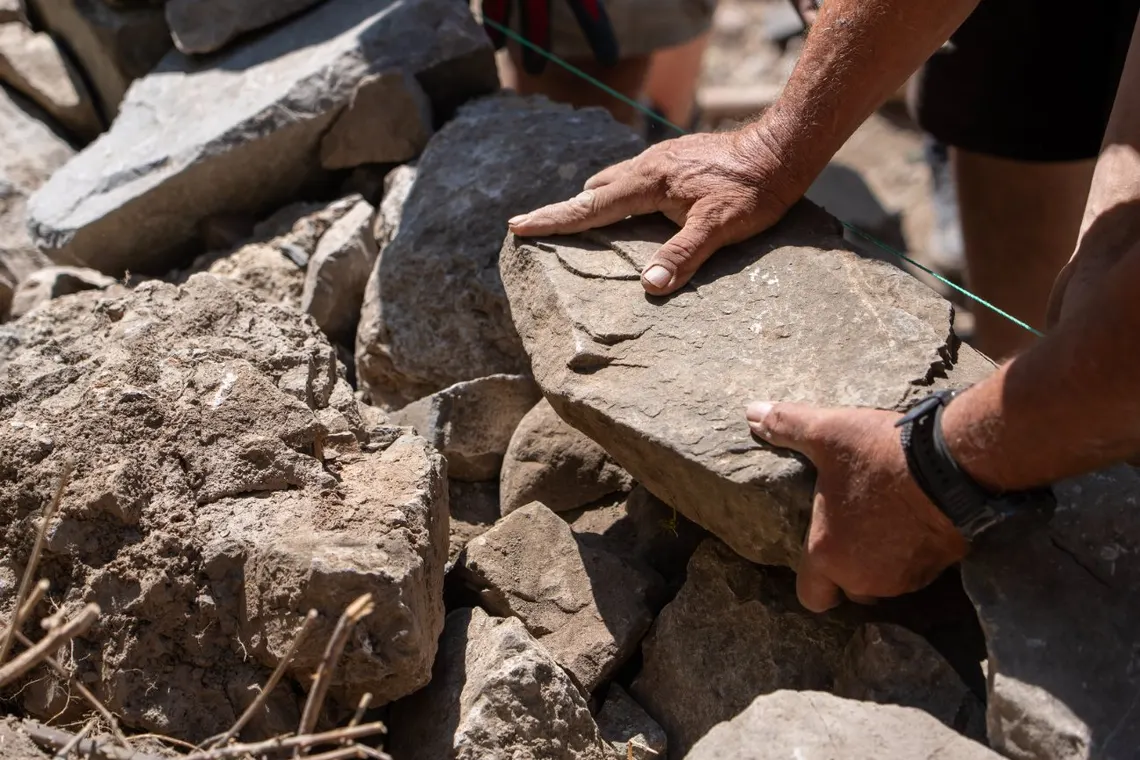
Craft × AI
A proposed joint research programme with Utah Valley University. What of a craft artificial intelligence can and cannot carry — judged, in four work packages, by the masters who would have to accept the answer.
Alignment
Blossoming Stones’ work is closely aligned with UNESCO’s approach for safeguarding intangible cultural heritage (ICH) and the UN 2030 Agenda for Sustainable Development and its 17 Sustainable Development Goals.
The 2003 UNESCO Convention counts documentation, research and inscription as safeguarding, but it puts transmission first — a living craft is kept alive in working hands, not on a shelf. Every initiative on this page therefore ends with someone building: a worksite, a school year, an internship, a wall.
Against the 2030 Agenda the work touches six of the seventeen goals. Education comes first, but a stone economy is local by nature — the quarry, the wall and the wage stay in the same valley, and the skills it depends on cannot be imported.
Supported by and working with